Articles
Phonics Intervention
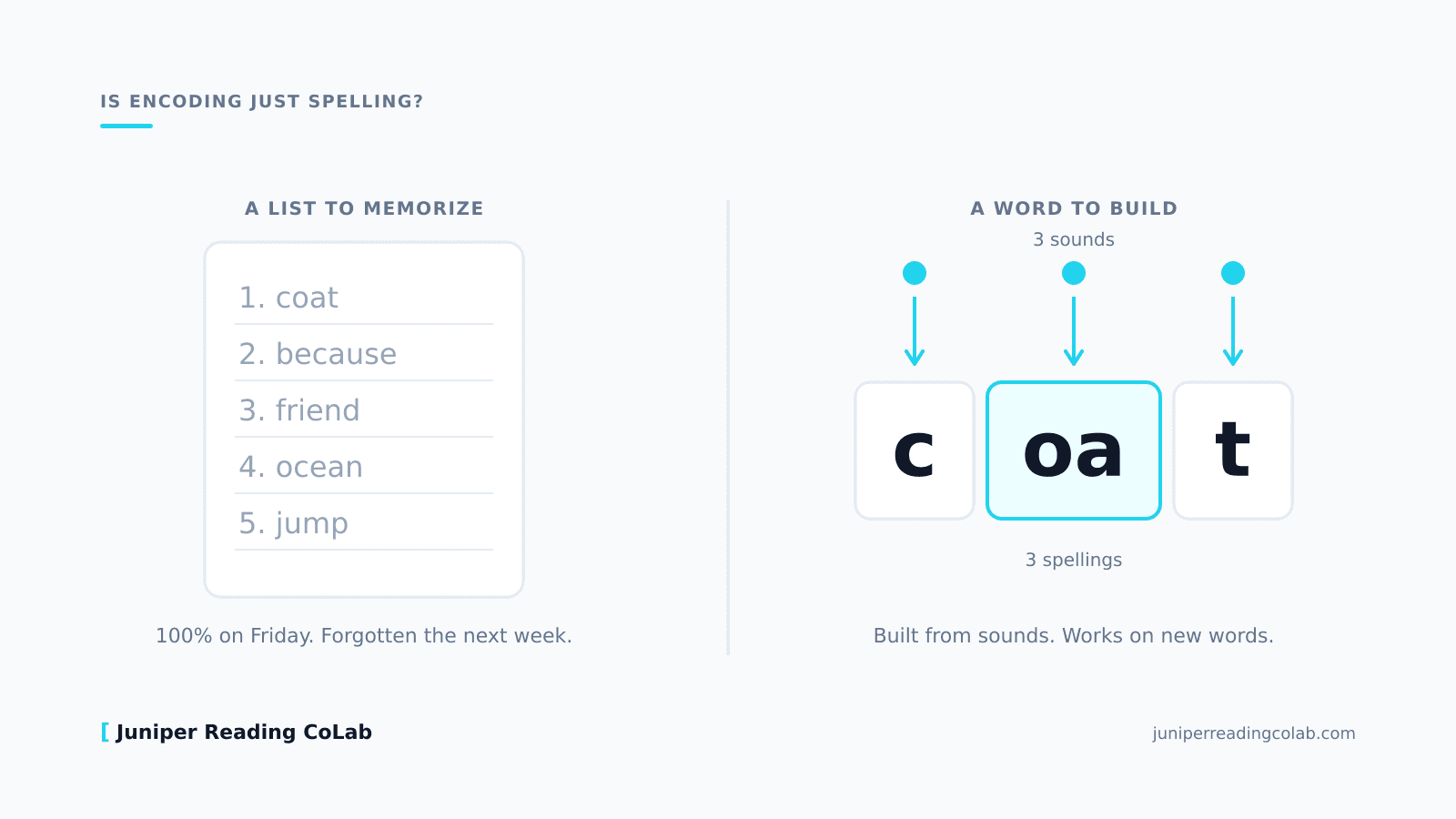
Is Encoding Just Spelling? What Encoding and Decoding Mean for Older Readers
Spelling is the word on the page. Encoding is how a student gets it there. What encoding and decoding mean for older readers, and what a pilot showed.
Phonics Intervention
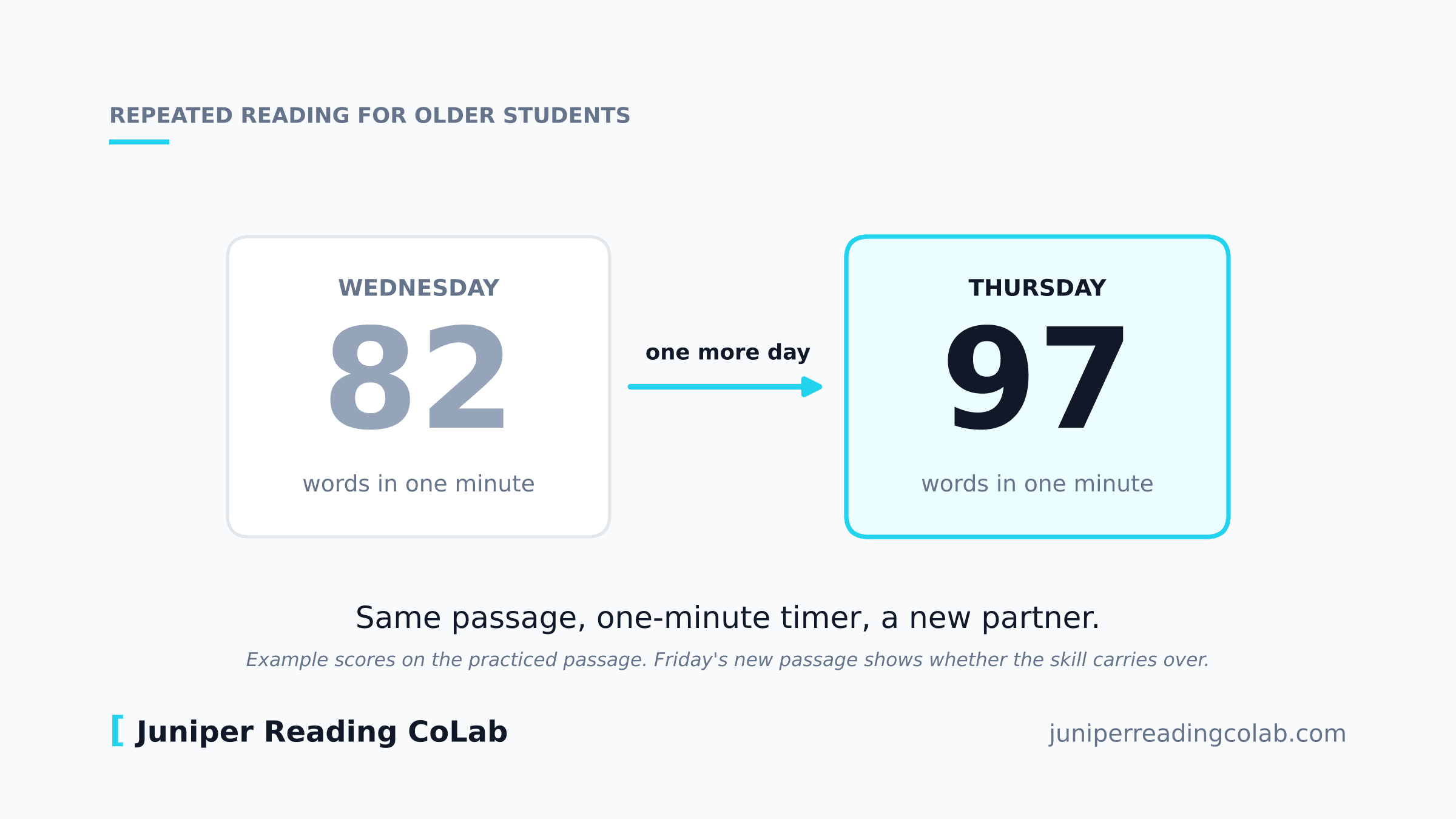
How to Build Reading Fluency in Middle and High School: A Partner Repeated Reading Routine
Repeated reading for middle and high school students: a weekly partner routine with goals, graphs, and a Friday check, plus what the research says.
Phonics Intervention
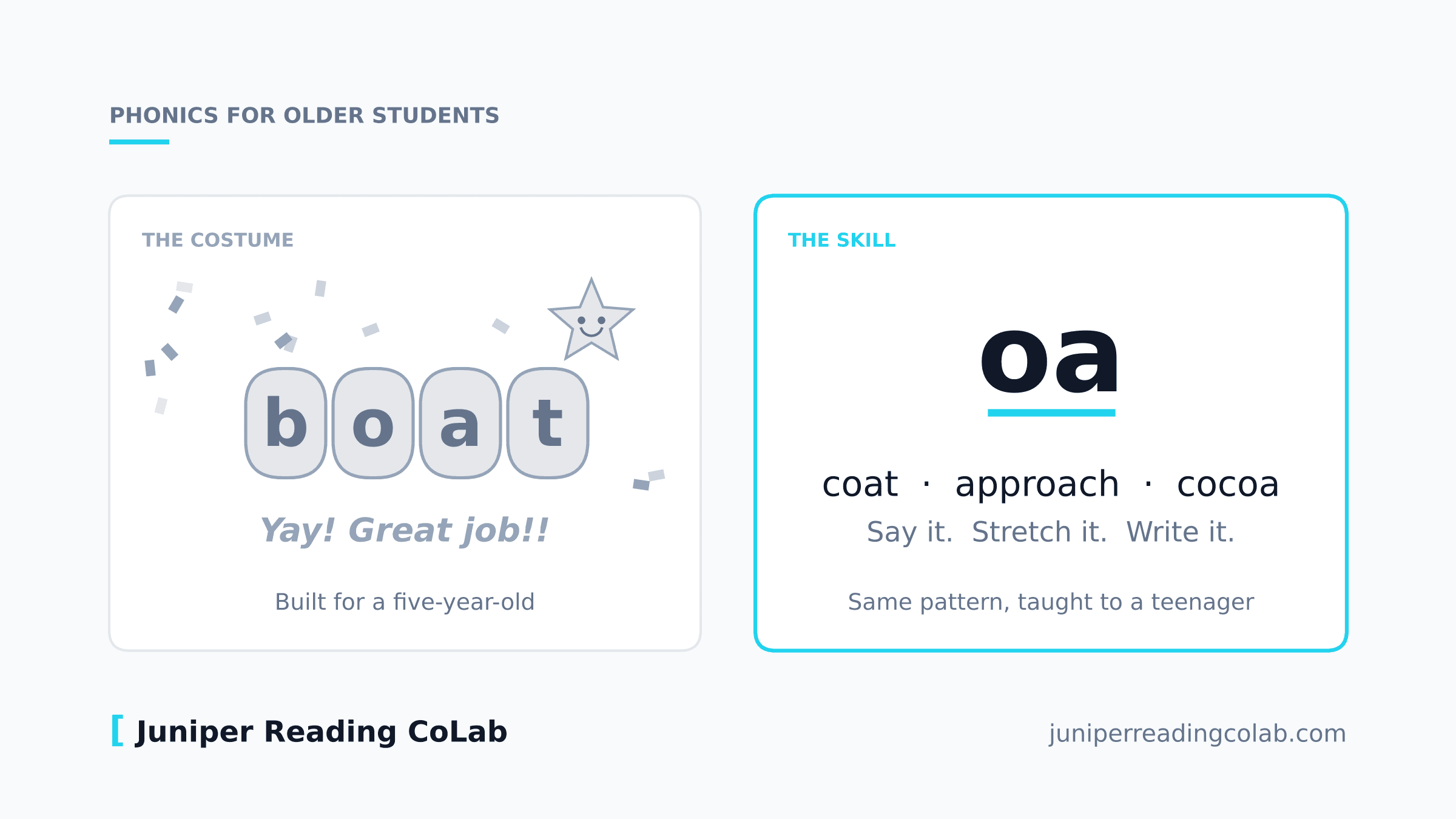
How to Teach Phonics to Older Students Without It Feeling Babyish
Older students often refuse phonics because it feels babyish, not because they do not need it. How to teach decoding in a way teens will actually do.
Phonics Intervention
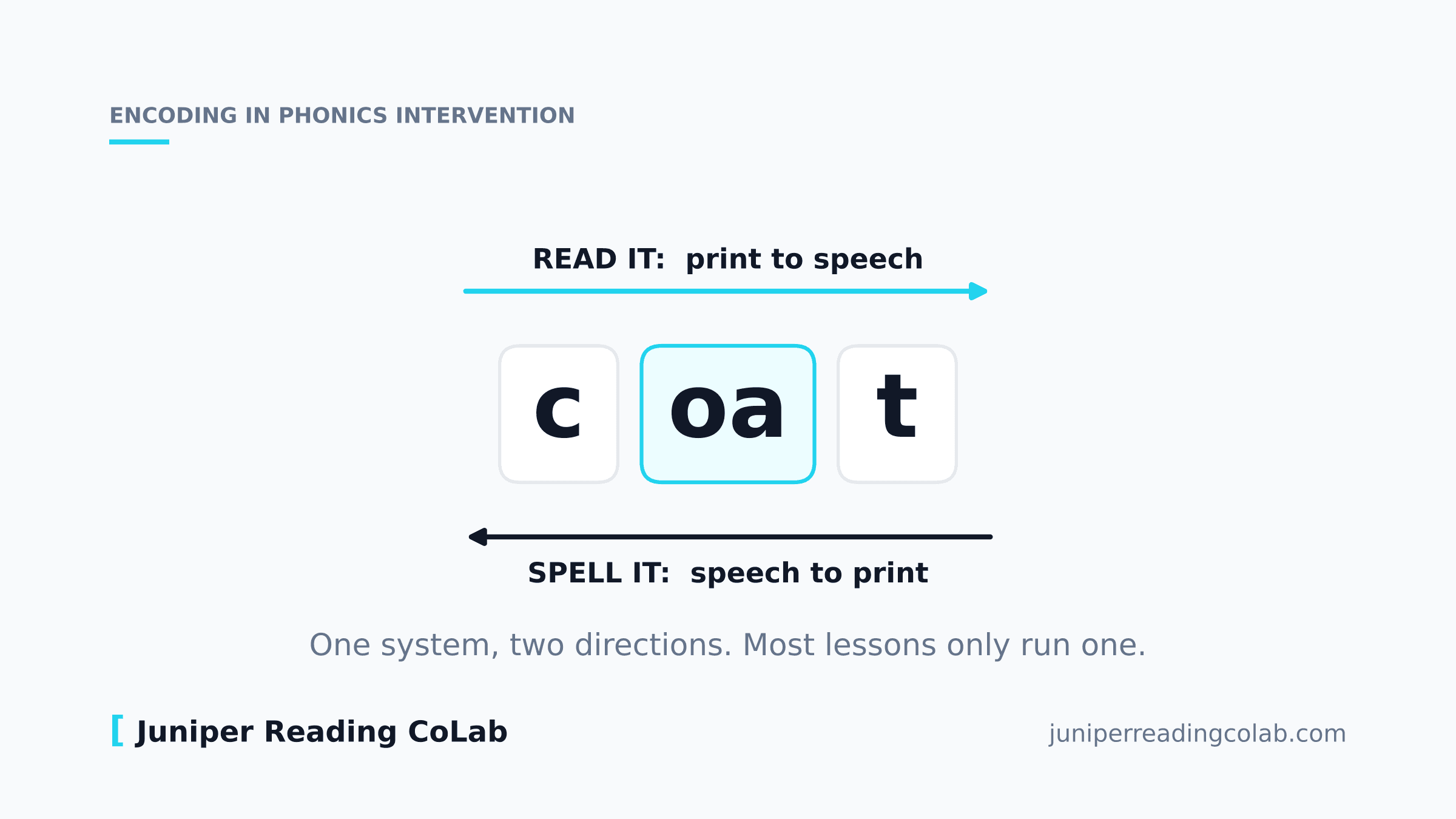
Encoding in Phonics Intervention: The Half of the Lesson That Keeps Getting Skipped
Decoding turns print into speech. Encoding turns speech into print. Why spelling practice builds stronger readers, plus five 2-minute routines.
Phonics Intervention
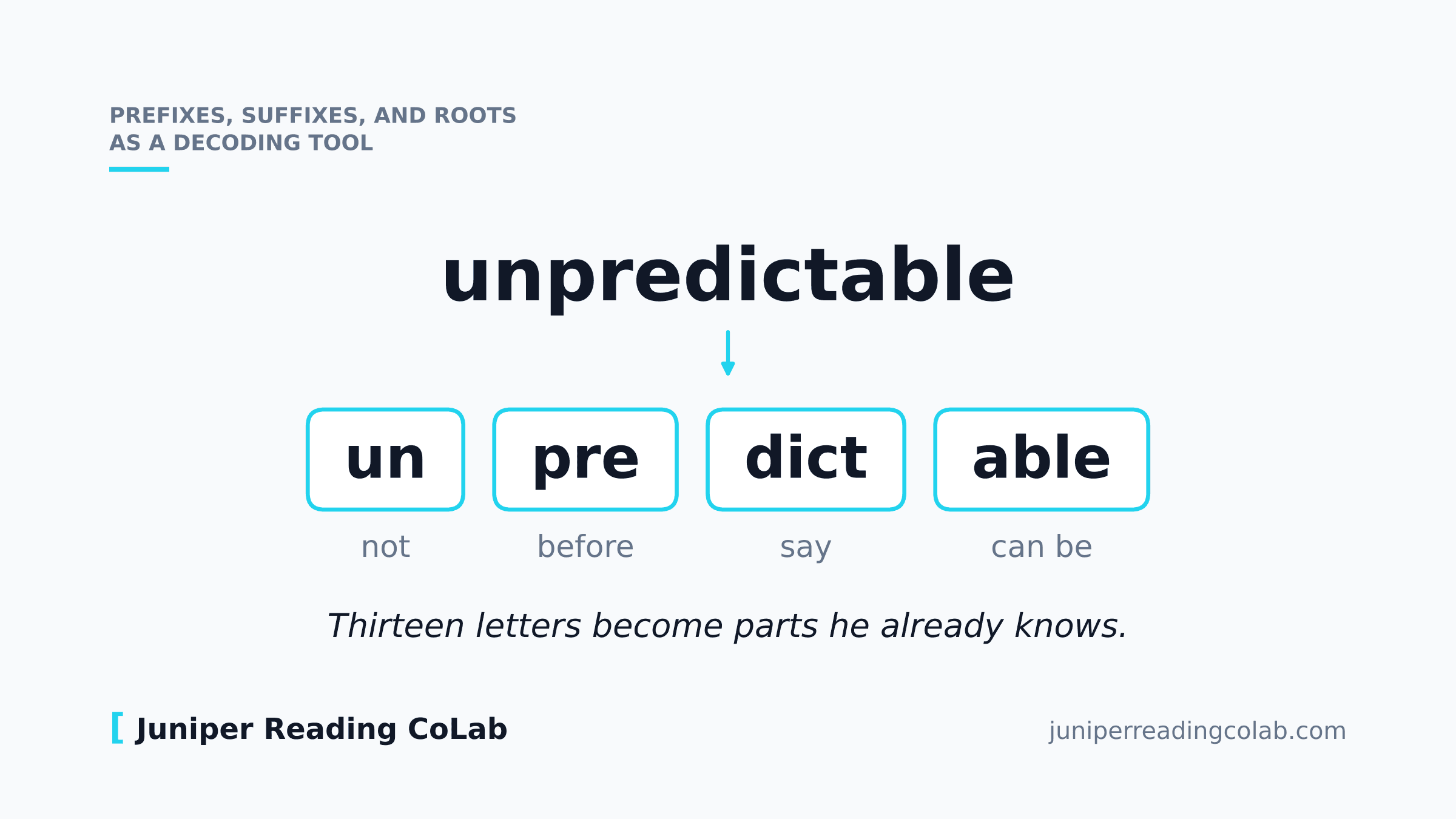
How to Teach Prefixes, Suffixes, and Roots So Older Students Can Read Long Words
Prefixes, suffixes, and roots are not just vocabulary. Teach them as the chunks that make long words readable, with a 5-minute daily routine.
Phonics Intervention
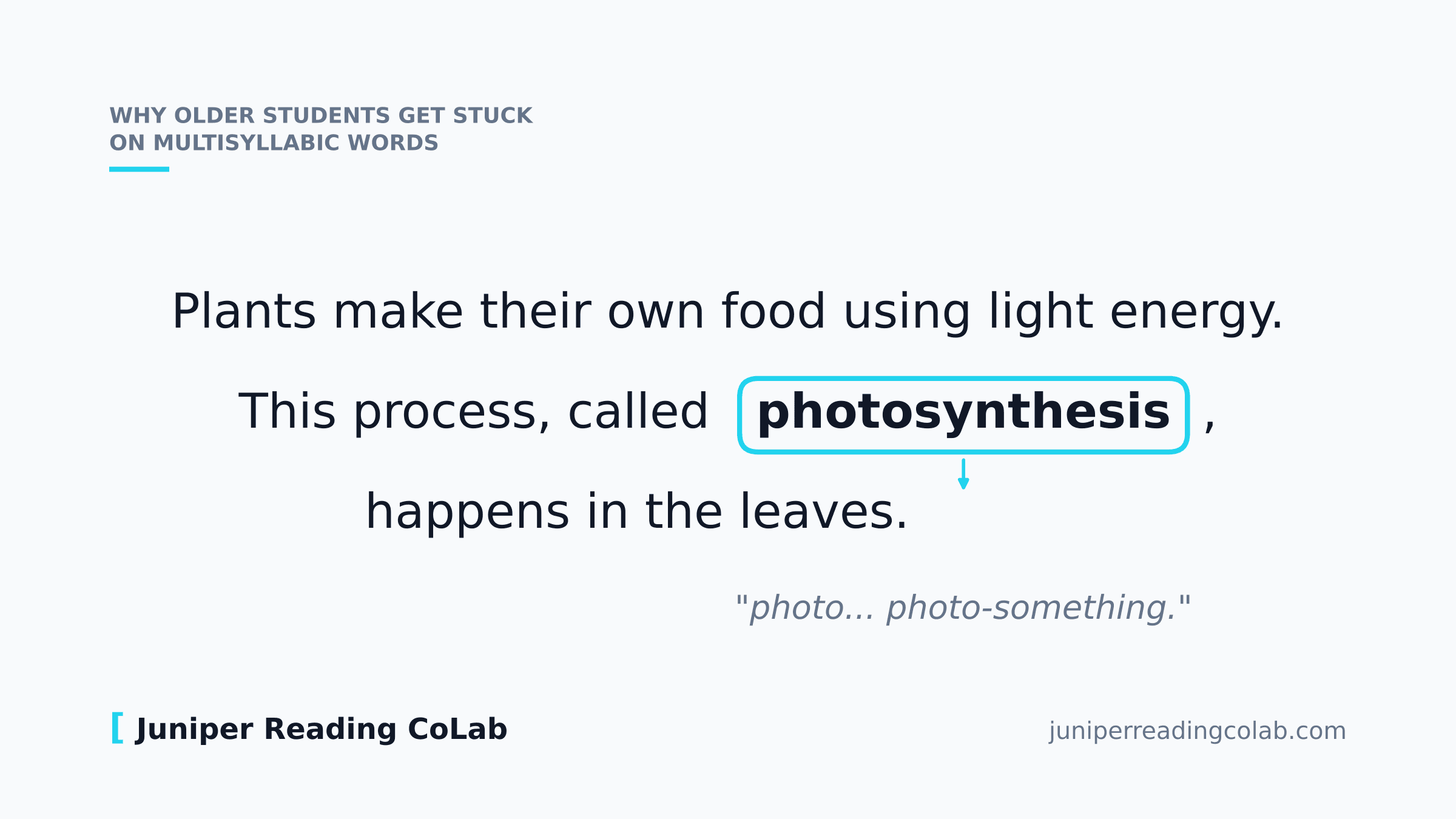
Why Older Students Get Stuck on Multisyllabic Words
A capable student who reads short words but freezes on photosynthesis is not unmotivated. Five root causes explain it, and all five are teachable.
Phonics Intervention
The Flexible Strategy: How to Teach Big-Word Decoding Step by Step
A four-step routine for teaching older students to decode long words: circle the affixes, underline the vowels, read by parts, confirm. With a think-aloud script.
Phonics Intervention
Phonics Intervention for Middle and High School: A Guide for Teachers
How to tell whether a struggling older reader has a decoding problem, and where to start if they do. Three ten-minute checks, one strategy, one daily block.
Following the build?
On Substack I write about the more technical side of building the Juniper Reading CoLab apps as a nontechnical app builder.
Read the build notes on Substack